
How hybrid work models are changing the spatial and temporal structures of work, and what role physical and digital workplaces will play in the future.
Understanding Hybrid Work Environments and New Forms of Collaboration
Work is increasingly organized with flexibility in terms of location and time. Working from home, remote work, and hybrid work models are changing communication structures, forms of collaboration, and organizational processes. At the same time, it is becoming clear that different tasks, industries, and teams require different forms of work organization.
In this section, we examine:
- how working from home, remote work, and hybrid work influence performance, innovation, and collaboration,
- what effects hybrid work models have on creativity, team dynamics, and organizational cohesion,
- what role physical workspaces, such as the office, will play in future work models,
- how organizations can structure hybrid work from both an organizational and technological perspective—for example, through digital infrastructures, collaboration platforms, and work systems that enable distributed collaboration across time and space.
Research Projects
Effective hybrid work does not result from rules on paper, but from work arrangements that are tailored to tasks, people, and contexts. That is why we place a special focus on developing context-dependent design principles for hybrid work that take into account both organizational efficiency and individual well-being.
How is hybrid work changing the way we collaborate? Our ongoing and completed research projects explore how work can be organized across different locations and times—from hybrid teamwork to the design of digital meetings.
Project: Leadership in Hybrid Work Environments
Hybrides Arbeiten hat sich in vielen Organisationen etabliert und verändert grundlegend, wie Führung funktioniert. Führungskräfte müssen Teams führen, deren Mitglieder zu unterschiedlichen Zeiten und an unterschiedlichen Orten arbeiten. Dabei entstehen neue Anforderungen an Vertrauen, Kommunikation und die Gestaltung von Zusammenarbeit.
Wie verändert hybrides Arbeiten die Rolle von Führungskräften? Welche Führungsansätze helfen, Vertrauen, Teamkultur und Leistungsfähigkeit in hybriden Teams zu stärken – auch wenn direkte Sichtbarkeit und spontane Interaktion im Arbeitsalltag reduziert sind?
Das Projekt untersucht, wie Führungskräfte hybride Teams erfolgreich führen können und welche neuen Führungspraktiken dabei entstehen. Im Mittelpunkt stehen Fragen der Vertrauensbildung, der Gestaltung von Teamritualen, der Organisation hybrider Meetings sowie der Bewertung von Leistung ohne klassische Präsenzlogiken. Die Ergebnisse zeigen, wie Führungskräfte hybride Arbeit aktiv gestalten können – und warum hybrides Arbeiten nicht nur ein Arbeitsmodell, sondern zunehmend eine neue Form von Leadership darstellt.
Projekt: Hybride Meetings erfolgreich gestalten
Hybride Meetings gehören inzwischen zum Arbeitsalltag vieler Organisationen. Häufig entsteht jedoch eine unausgewogene Dynamik zwischen Teilnehmenden vor Ort und remote zugeschalteten Personen. Physische Nähe kann dazu führen, dass sich Gruppen im Raum bilden und remote Teilnehmende weniger eingebunden werden.
Wie entstehen Gruppendynamiken in hybriden Meetings? Und welche Faktoren beeinflussen, ob remote Teilnehmende aktiv integriert werden oder ungewollt aus der Zusammenarbeit ausgeschlossen bleiben?
Das Projekt untersucht die sozialen Dynamiken hybrider Meetings und identifiziert zentrale Faktoren für eine erfolgreiche und inklusive Zusammenarbeit. Auf Basis qualitativer Analysen aus Unternehmens- und Hochschulkontexten wurde ein Prozessmodell entwickelt, das zeigt, wie physische Nähe, Meeting-Management, Kollaborationstechnologien und menschliche Interaktionen die Integration remote Teilnehmender beeinflussen. Die Ergebnisse liefern konkrete Gestaltungsempfehlungen, wie Organisationen hybride Meetings strukturieren können, damit alle Beteiligten – unabhängig vom Arbeitsort – aktiv an Diskussionen und Entscheidungen teilnehmen können.
Projekt: Hybrides Arbeiten – der große Wurf oder die große Depression
Hybride Arbeitsmodelle verändern die Art, wie Menschen zusammenarbeiten. Mitarbeitende erwarten mehr Flexibilität bei der Gestaltung ihrer Arbeit, während Unternehmen und Führungskräfte gleichzeitig Orientierung, Zusammenarbeit und Produktivität sicherstellen müssen.
Wie kann Zusammenarbeit zwischen Mitarbeitenden im Büro und im Homeoffice erfolgreich gestaltet werden? Welche Herausforderungen entstehen für Führungskräfte, Teams und Organisationen – und welche Gestaltungsansätze helfen, hybride Arbeit effektiv umzusetzen?
Das Projekt untersucht zentrale Herausforderungen hybrider Zusammenarbeit und entwickelt praxisnahe Handlungsempfehlungen für Führung, Teamarbeit und Organisationsgestaltung. Die Ergebnisse wurden auf der NIK-Konferenz „Digital Leadership“ präsentiert und dienen als Grundlage für einen gemeinsamen „Code of Conduct“ für hybrides Arbeiten.
Selected Publications
- Kuhn L., Meier F.: Under the Neurodivergent Umbrella – A Qualitative Exploration of Neurodivergence and Remote Work, 19th International Conference on Wirtschaftsinformatik (Würzburg, 16. September 2024 – 19. September 2024
- Meier F.: Hybrid Work as the Holy Grail? The Influence of Telework Intensity on Envy and Professional Isolation, Proceedings of the 57th Hawaii International Conference on System Sciences (Hawaii)
- Schwehn, T. J., Meier, F. J., & Laumer, S. (2025). Hybrid Leadership as a Balancing Act-Qualitative Insights from a Financial Institution. Proceedings of the 58th Hawaii International Conference on System Sciences (Hawaii)
- Meier, F.; Schwehn, T. J.; Pauleck, I. – “Us vs. Them” – A Qualitative Study on Group Formation in Hybrid Meetings. International Conference on Information Systems (ICIS), 2024. https://aisel.aisnet.org/icis2024/digtech_fow/digtech_fow/5/
Contact Persons
The future of work takes shape where new technologies intersect with people and organizations. If you, too, would like to help shape the interaction between people and AI, we look forward to hearing from you.
Get in touch with us!
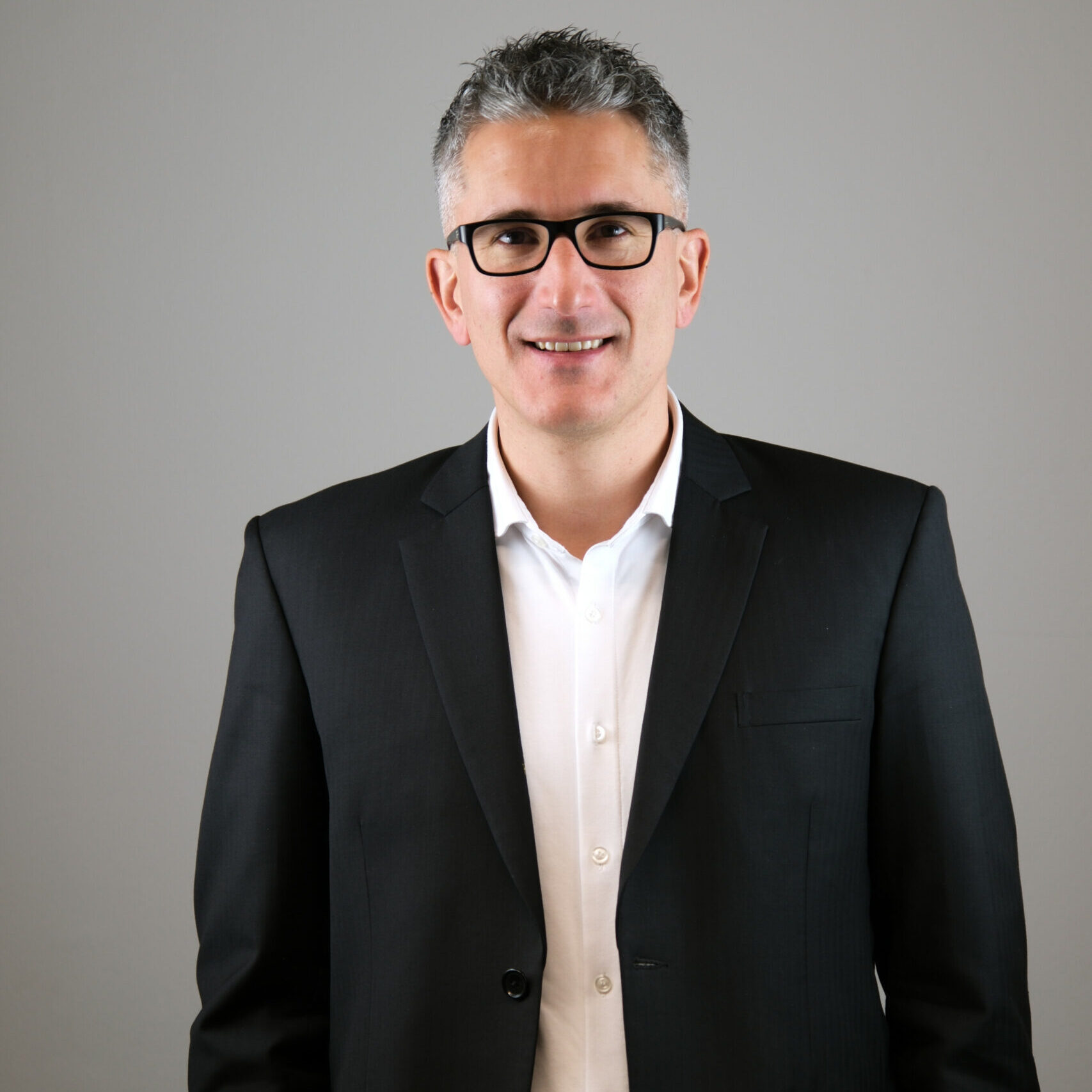
Prof. Dr. Sven Laumer
Professors
Contact

Tim-Julian Schwehn
Research associates